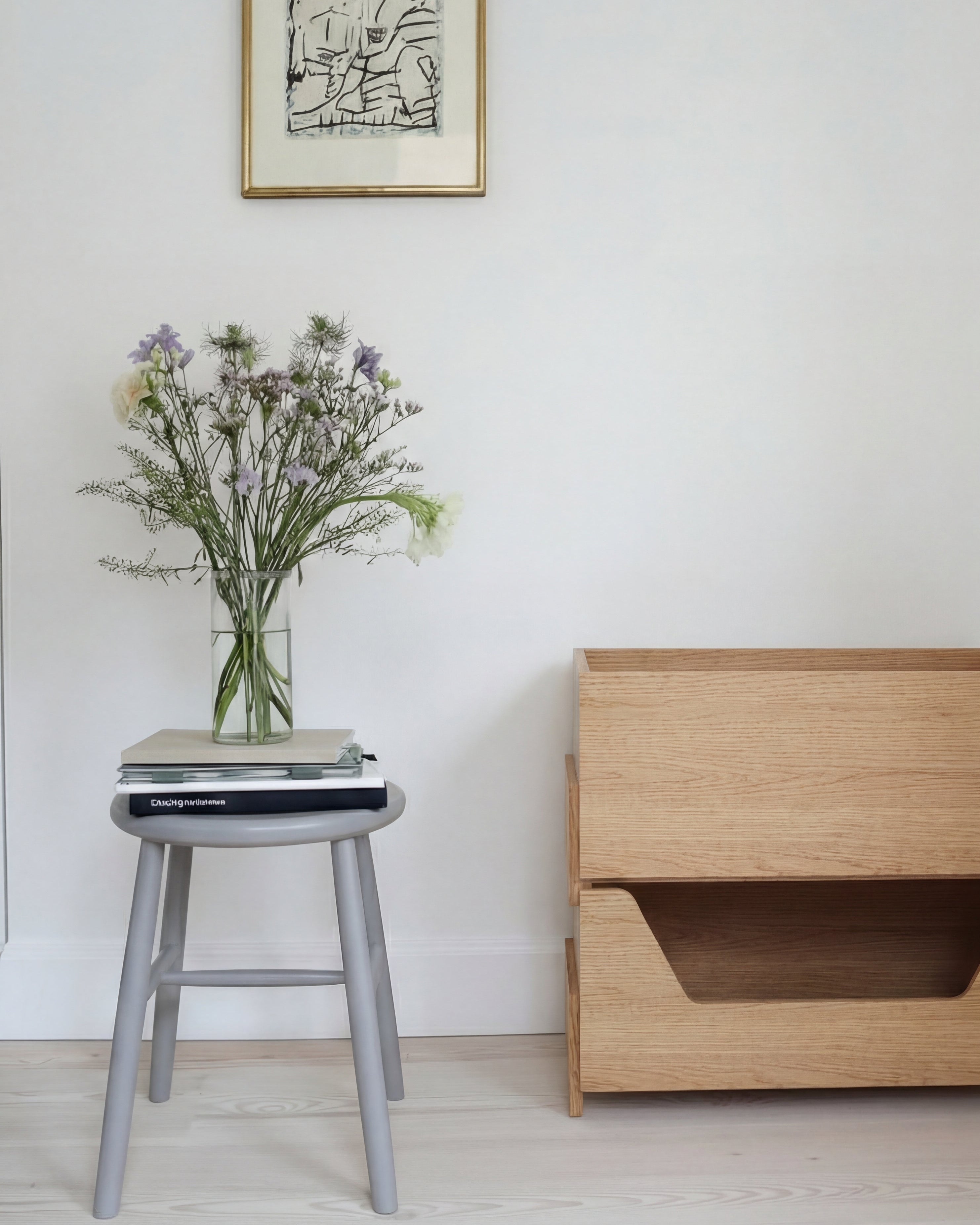
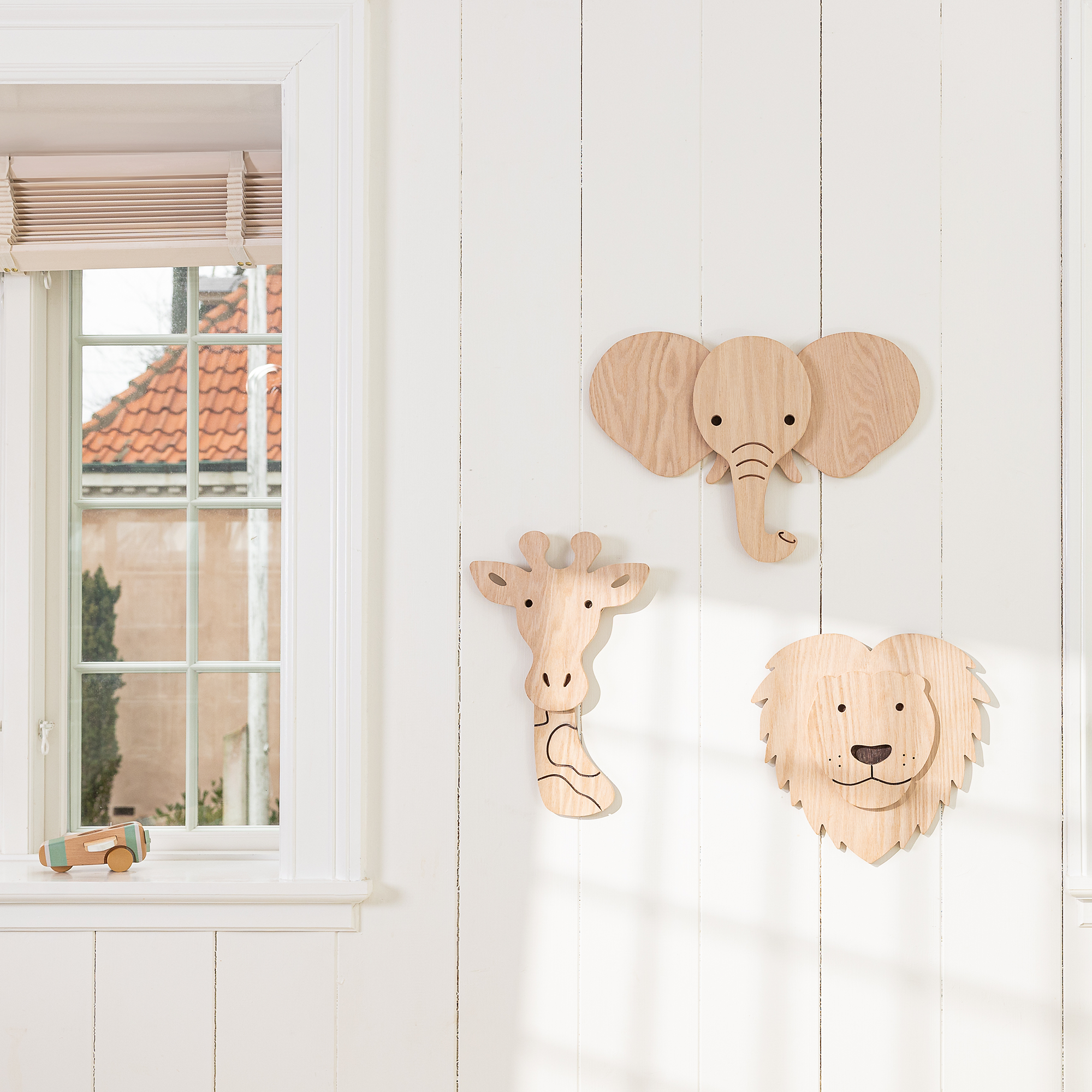
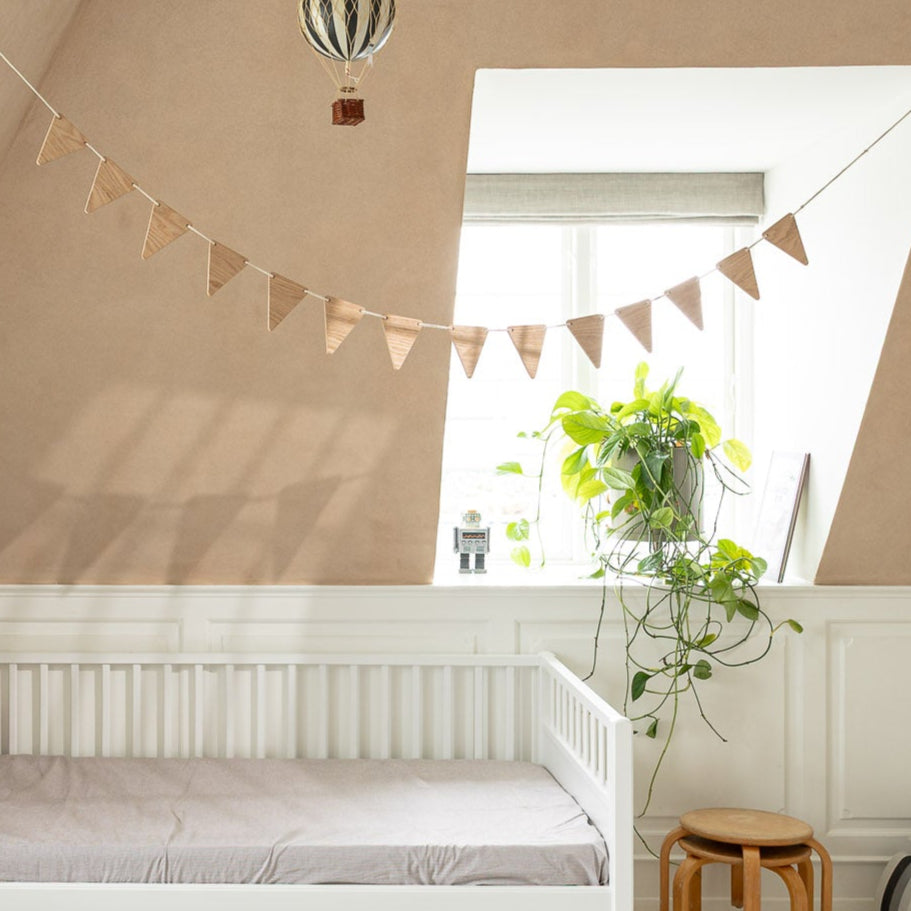
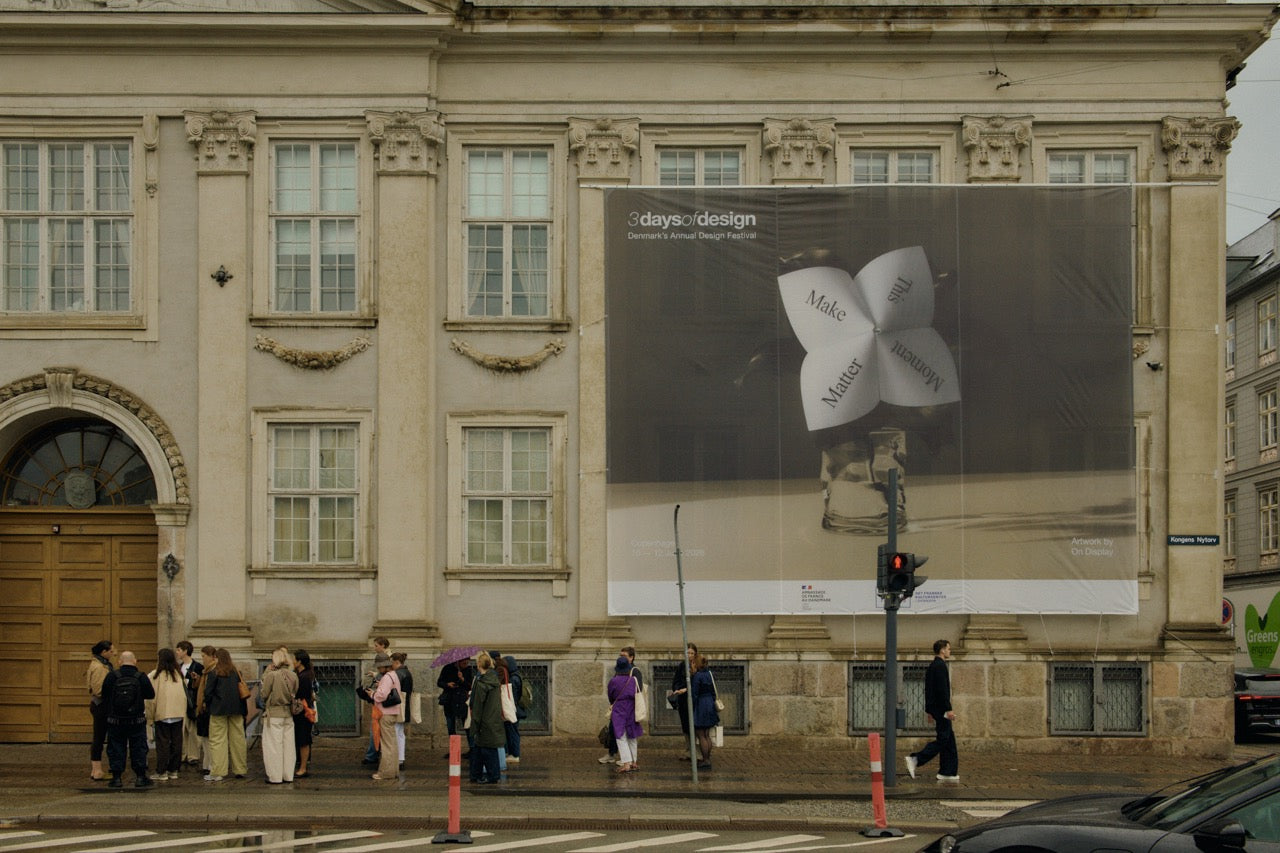
Denmark’s design festival grew up this year — 560 exhibitors across eight districts, and one clear argument: warmth, material honesty, and things built to last.
01 / Overview
A Festival Grows Up
13th edition · Eight city districts · Theme: Make This Moment Matter
Now in its 13th edition, 3 Days of Design drew over 560 exhibitors and an estimated 60,000+ attendees across eight city districts. What began in 2013 as four brands in a warehouse has become the cognoscenti’s design week: smaller than Milan, more intimate, more curated, and increasingly global in reach.
This year’s overarching theme, Make This Moment Matter, was coined by festival CEO Signe Byrdal Terenziani as “a collective recalibration from ‘more’ to ‘meaningful.’” In practice it manifested in exhibitions focused on the mundane and intimate: bathing rituals, cutlery, childhood games, quilts, cups, and stitching — everyday acts elevated as serious design subjects. Mood across showrooms was consistently warm, sensory, and contemplative rather than spectacular.
Anthropic (Claude) was an official festival sponsor — a notable first for an AI company — prompting visible debate about AI’s role in craft. Their workshop was reportedly “absolutely packed,” with attendees expressing they felt “behind and scared.”
02 / Lead Brands — Primary Kids’ Product Lines
HAY · Ferm Living · Tekla
Three design houses that exhibited at 3DoD 2026 and each operate a serious, dedicated children’s product range — not a side category.
HAY · New Launches at O-Overgaden, Christianshavn

At the festival: HAY took over O-Overgaden, a historic 1,500 sq. metre canalside art institution in Christianshavn. The exhibition brought past, current, and upcoming designs together in a rare, immersive cross-section of their full catalogue. New launches included pieces by Jasper Morrison, Philippe Malouin (sofa), Gudmundur Ludvik (folding chair), and Claire Lavabre (cast aluminium lamp). Consistently one of the festival’s highest-traffic destinations.
HAY Mini — the children’s line: HAY Mini applies the parent brand’s core design values — minimal geometry, bold colour blocking, material honesty — directly to children’s furniture, soft toys, storage, and school accessories. Stocked at MoMA Design Store. Products include the Colour Crate Mini (recycled plastic), soft storage baskets, children’s chairs in HAY’s standard palette, and a growing stationery and play objects range. No infantilising motifs, no pastels-by-default. It treats the child as a design-capable person in a designed home.
Takeaway: HAY’s presentation reinforced how accessible modern Scandinavian design still depends on clarity, color discipline, and objects that feel equally at home in adult and child-centered spaces.
Ferm Living · Form of Life — 20th Anniversary Exhibition, Kuglegården, Holmen

At the festival: Ferm Living made one of the most conceptually ambitious moves of 3DoD 2026 — opening their actual offices and in-house design studio to the public for the first time. The exhibition was held at Kuglegården in Holmen, Copenhagen’s former naval district. It took the form of a 20-year brand retrospective: small-scale models of past and present products displayed together, exposing the internal logic of Ferm Living’s design across two decades. The Autumn/Winter 2026 collection was also previewed.
Ferm Living Kids — the children’s line: Operating under the sub-brand @fermlivingkids, the Spring/Summer 2026 collection is titled “A Place to Imagine” — “familiar silhouettes and thoughtful details, pieces children can grow with.” The 2026 palette uses celestial forms, earthy tones, and scaled-down versions of Ferm Living’s signature aesthetics. Categories span: children’s furniture (beds, chairs, storage), wallpaper, plush toys, mobiles, cushion covers, bed linen, and nursery accessories. The brand treats children’s rooms as a design discipline equal to adult spaces, stocked globally at Smallable, Finnish Design Shop, HORNE, and Batten Home.
Takeaway: Ferm Living showed that softness, continuity, and emotional intelligence remain central to the Scandinavian interior language — especially when a brand treats children’s design as part of the same world, not a separate category.
Tekla · Heart of Living — Kunsthal Charlottenborg, Nyhavn 2


At the festival: Tekla’s Heart of Living was widely considered the most emotionally resonant exhibition of the week. Held at Kunsthal Charlottenborg (Nyhavn 2, a former royal palace), it celebrated the patchwork quilt as cultural artifact. Bespoke pine box beds modeled on 19th-century Scandinavian working-class homes were dressed with the new Collette broderie anglaise collection alongside patchwork quilts in a traditional log cabin pattern from archive fabrics. Spatial design by Mentze Ottenstein.
Tekla Kids — the children’s line: Tekla’s kids’ bedding is a direct extension of their core organic cotton philosophy — same long-staple Egyptian cotton, same Portuguese manufacturing, same GOTS certification, same construction standards. The range includes Percale Kids Sets in archive colourways and the Broderie Anglaise Kids Set — Anaïs — the children’s direct mirror of the Collette shown at Charlottenborg. No material compromise in the move to smaller sizing. This is the clearest model of premium children’s product design executed from the same creative origin as the adult line.
Takeaway: Tekla made a persuasive case for textiles as architecture of feeling — proof that the most memorable contemporary interiors are often built through fabric, ritual, and restraint rather than spectacle.
03 / Authoritative Brands
Established Houses
Heritage and mid-career brands that anchored the festival’s identity.


Georg Jensen · At Play — Højbro Plads
Creative director Paula Gerbase staged a topiary garden unveiling walnut-and-silver interpretations of classic lawn games: ring toss, spinning tops, yo-yos, kongespil batons, and a sterling silver snail whistle. Inspired by the Danish woodlands surrounding Jensen’s birthplace at Raadvad. One of the week’s most joyful presentations.
Takeaway: Georg Jensen showed that playfulness need not dilute seriousness; in the right hands, even games can become a vehicle for material refinement and national memory.
Iittala · Aalto Vase 90th Anniversary Pavilion — Ofelia Plads
A seven-metre-tall pavilion from low-carbon aluminium by Hydro, designed by TABLEAU CPH. Inside, Iittala debuted the limited-edition Aalto City Vase collection — six city editions (Helsinki, Tokyo, Copenhagen, Berlin, New York, Amsterdam), 300 pieces each.
Takeaway: Iittala’s pavilion demonstrated that Nordic design heritage still has power when it is scaled up with confidence and tied to material innovation rather than nostalgia alone.
&Tradition · Verner Panton Centenary
Celebrating 100 years since Panton’s birth, &Tradition deconstructed his legendary Flowerpot Lamp into never-before-realised arrangements conceived by Panton himself. Installations at the brand’s showroom, the Danish Design Museum, and the DAC.

Takeaway: &Tradition’s Panton centenary suggested that Scandinavian legacy brands are strongest when they treat the archive as a living design tool rather than a museum piece.
Carl Hansen & Søn · Four Decades, Four Designs — Bredgade 21–23
Four new products spanning four design decades: Fabricius & Kastholm’s Scimitar Chair, Wegner’s CH280 Modular Sofa, and the Begonya Pendant by Øivind Slaatto — geometric metal structure with a woven-fabric shade inspired by paper lanterns.
Takeaway: Carl Hansen & Søn reaffirmed that longevity in Scandinavian design comes not from sameness, but from a steady dialogue between historical form, technical refinement, and daily use.
Royal Copenhagen · Triton Reissue — Amagertorv 6
The Triton porcelain series (originally 1976 by Arje Griegst) reissued with Griegst’s son Noam, who added three new colourways. Staged with scenography by 1kg incorporating sound, scent, and optical illusion.
Takeaway: Royal Copenhagen proved that reissues can feel vital when they recover boldness rather than simply replay familiarity.
Fredericia · A Chronicle of Danish Design — Løvstræde
Retrospective spanning Børge Mogensen, Nanna Ditzel, Mogens Koch, Cecilie Manz, and Barber & Osgerby. Nanna Ditzel’s 1962 Trisse collection reintroduced in full.

Takeaway: Fredericia’s retrospective made the quiet point that Danish design history still feels contemporary when it is presented with editorial clarity instead of reverence.
GUBI · Scenes — Nordhavn Showroom, Orientkaj 18–20
Immersive exploration of the contemporary home, featuring a hero installation by Nadia Olive Schnack, the GUBI × Bonacina 1889 outdoor collaboration, and summer/fall 2026 collection previews.
Takeaway: GUBI leaned into the home as a curated emotional setting, showing how contemporary Scandinavian interiors are increasingly shaped through atmosphere as much as furniture.
Kvadrat · Three Curtain Collection — Nordhavn Showroom
Launch of the “Three” curtain series by creative director Isa Glink — exploring how textiles divide, screen, or simply hang across dimensional planes.
Takeaway: Kvadrat’s quieter presentation underscored a larger truth of this year’s festival: textiles are no longer backdrop, but one of the primary ways space is defined and softened.
Fritz Hansen · Sound Club — Løvstræde
A listening environment built around Technics audio, exploring how sound shapes spatial experience. Limited-edition KAISER idell™ lamps and Bauhaus-inflected Fritz Hansen furniture throughout.
Takeaway: Fritz Hansen made the case that sound is now part of interior design thinking itself — not separate from furniture, but intertwined with how a room is actually experienced.
Muuto · Next Chapters — 20th Anniversary
Limited-edition anniversary pieces (each in an edition of 150), including the Close to Heart Chair by Spacon & X. Muuto Design Contest winner: Kihyun Kim (Seoul) for “A Piece of Seating.”

Takeaway: Muuto balanced anniversary reflection with forward motion, reminding visitors that Scandinavian design stays relevant by continuing to invest in emerging talent.
Vitra · Bascule Collection
Launched the Bascule Lounge Chair by Studio Œ — a patented auto-adjusting mechanism that moves from upright to fully reclined. Fabric cover derived from tailoring techniques developed for ease of dressing.
Takeaway: Vitra’s launch pointed to a more body-aware future for furniture, where comfort, mechanics, and elegance are expected to coexist rather than compete.
Normann Copenhagen · The Grid — New HQ Showroom
Opened new HQ showroom with a reissue of Niels Bendtsen’s 1974 lounge chair and a new vase by Tableau.
Takeaway: Normann Copenhagen’s new headquarters signaled confidence in the enduring appeal of Scandinavian design when it remains crisp, adaptable, and closely edited.
04 / Newcomers & Debuts
First Appearances & Rising Platforms
Other Circle · Second Edition — Vermundsgade 40
In just its second edition, Other Circle functioned as a festival-within-a-festival — described by Wallpaper* as “the world’s best graduate show.” Grew to 80+ exhibitors across three floors, 17 countries. Curated by Silas Adler. Highlights: Pedestal’s bubblegum-pink TV stand (Jacob Egeberg); CRUDE’s post-growth furniture from found sofas; Christine Kalia’s Mission Seating from window profiles; Sanna Holmberg’s ceramic-as-molten-metal objects.
Takeaway: Other Circle’s growth suggests that Copenhagen is not becoming less Scandinavian; it is becoming a stronger Scandinavian host for a broader global design conversation.
Baina · The Practice of Bathing — Borgergade 91
Australian towelling brand’s 3DoD debut. Commissioned functional objects for bathing from Gala Colivet Dennison, Agnieszka Owsiany, Marsha Golemac, and Olivia Bossy. Also launched a new home fragrance with 11 essential oils.

Takeaway: Baina captured one of the festival’s clearest shifts: bathing, care, and private ritual are now being treated as serious design territory rather than lifestyle garnish.
A-N-D Lighting · First European Showroom — Sankt Peders Stræde 45B
Vancouver-based studio opened its first non-Canadian showroom in a former book printing factory. Co-founder Lukas Pete’s wibbly glass “Pebbles” lights suspended across three floors were a standout.
Takeaway: A-N-D showed how technical control and visual softness can coexist, a combination that feels especially aligned with where contemporary interiors are heading.
Serax · 40th Anniversary Debut — co-hosted at New Mags
Belgian design brand’s inaugural 3DoD appearance. Archive pieces and new works by Kelly Wearstler.
Takeaway: Serax’s debut reflected Copenhagen’s increasing gravitational pull as a place where established international brands come to sharpen their cultural positioning, not just their product story.
laCividina · First 3DoD Appearance — The Jewellery Room, Bredgade 35
Italian upholstery brand presented Lisse by Sabine Marcelis and Agetti by Garcia Cumini.
Takeaway: laCividina’s first appearance reinforced the continued value of upholstery that feels sculptural, tactile, and quietly architectural.
Japanmade Vol. I · Inaugural Exhibition — Dampfærgevej 2, Nordhavn
Curated by Wallpaper* Japan editor Jens H. Jensen and OEO Studio. Explored Japanese design through a Danish lens — what both share in material restraint and craft. Staged on low-carbon cardboard-pallet structures.
Takeaway: Japanmade clarified how naturally Japanese and Scandinavian sensibilities continue to speak to one another through craft, restraint, and respect for materials.
Ukurant — Makes Room · Return — Fabrikken for Art & Design, Sundholmsvej 46
26 experimental designers from around the world. Key works: Bae Subin’s Wood Welding Chair (burnt poplar) and Controforma’s Zenit — a meditation on light, material, and gravity.
Takeaway: Ukurant remained one of the clearest places to spot emerging experimentation before it is absorbed into the mainstream, particularly around material risk and form-making.
Romo Textiles · First Copenhagen Showroom — Pakhus 47, Nordhavn
British textile brand (est. 1902) opened its first Copenhagen showroom, designed by Tonen Agency. All six Romo Group brands showcased including Kirkby Design.
Takeaway: Romo’s showroom opening confirmed that Copenhagen is increasingly important not just for furniture brands, but for textile houses shaping the sensory depth of interiors.
A-POC Able Issey Miyake · Holbergsgade 20
3DoD debut with the TYPE-XIII Atelier Oï lamp — one piece of cloth plus one piece of wire forming a portable light with a removable pleated shade designed to swap by mood.
Takeaway: A-POC Able Issey Miyake offered a compelling reminder that flexibility and poetry can live in the same object, particularly when fabric is treated as structure.
Deoron · Papirøen (Tadao Ando island)
50+ designers spanning furniture, lighting, homeware, technology, and fashion. Portable speakers by Alephalef anchored a sonic identity for the space.
Takeaway: Deoron emphasized the growing overlap between interiors, technology, fashion, and sound — a sign that design culture is becoming more atmospheric and less category-bound.
05 / Key Exhibitions
Concepts & Installations
Material Matters · 19 International Exhibitors — Ukraine House, Gammel Dok
Sustainable innovation platform with exhibitors working in mycelium, bacterial cellulose, construction waste, olive pits, and rice husks. Standouts: AI Fungi (Netherlands, mycelium composites), Malai Biomaterials (India, bacterial cellulose from coconut waste), Birdmind (Spain, agricultural waste → architectural materials).

Takeaway: Material Matters confirmed that sustainability at the high end is becoming less about messaging and more about the substance of what things are actually made from.
Helle Mardahl — Game On · Bredgade 17 Flagship
Candy Crush and Tetris geometry translated into mouth-blown glass pendant lights. Vivid, maximalist, joyful — a deliberate counterpoint to the muted naturals elsewhere in the city.

Takeaway: Helle Mardahl offered a useful counterweight to the festival’s quieter palette, proving that exuberance still has a place within a considered interior language.
Jaime Hayon — ¿Jaime, What Are You Doing? · House of St. Leo, Trelleborggade 5
A deeply personal exhibition in tribute to Hayon’s late mother Raquel. Works in glass, ceramic, marble, and bronze selected for sentimental significance, each annotated in Hayon’s own handwriting. A Fritz Hansen chair in a colour Raquel chose, her favourite cushion and fan still resting in it.
Takeaway: Hayon’s exhibition stood out for its emotional directness, reminding visitors that personal narrative still has a legitimate place within serious design culture.
Marta LA — Knife, Fork, Spoon 3.0 · Den Frie Udstilling (Oslo Plads 1)
12 artistic 3D-printed cutlery sets by international designers, curated by Dung Ngo with support from Design Within Reach. Part of Ark Journal’s Design/Dialogue showcase alongside cc-tapis, MDF Italia, and Vaarnii.
Takeaway: Marta’s cutlery exhibition showed how even the most ordinary tools can become sites for formal invention when domestic life is taken seriously.
VÆRKTØJ — Third Edition · Gothersgade 30
Tool-as-premise exhibition; this year’s tool was the sewing machine. Erwan Bouroullec, Foster + Partners Industrial Design, Pearson Lloyd, and Louise Campbell all produced works from stitching as the creative constraint.
Takeaway: VÆRKTØJ made a strong case for process-led design, showing that constraint often produces work with more character, not less.
Tarkett — Beginnings and Endings · Galleri Susanne Ottesen, Gothersgade 49
Commissioned Yinka Ilori MBE (rainbow-saturated immersive room), Laurids Gallée (linoleum intarsia furniture), and Christian + Jade (deep black draping) to transform floor materials into site-specific art.

Takeaway: Tarkett demonstrated that industrial materials can carry real expressive force when designers are allowed to push them beyond their expected applications.
FRAMA — The Mechanics of Scent · Fredericiagade 57 Apothecary (10th Anniversary)
“Scent Sculptures” — eight objects made in collaboration with artist David Gardner that give physical form to aroma.
Takeaway: FRAMA’s scent-focused installation reinforced how fully the sensory dimension has entered the design conversation, especially in Scandinavian interiors shaped around mood and ritual.
Bread & Butter — Second Edition · Sankt Peders Stræde 35A
This year’s theme was bathing culture. Sixteen designers from Denmark, Finland, Korea, Japan, Canada, and the UK interpreted bathing rituals as intimate design pairs. Curated by Hee Choi, Myung Nyun Kim, and Pyeori Jung.
Takeaway: Bread & Butter highlighted how bathing has become a serious cross-cultural design subject, linking wellness, ritual, and material sensibility in a way that felt timely rather than trend-driven.
Aesop × Other Matter — Enduring Forms · Two Aesop stores + Latitude collective, 5 Grønningen
Algae-based bioplastic window vinyls by Melbourne studio Other Matter (Jessie French) — a leather-like surface from end-of-life vinyl offcuts mixed with charcoal, repurposed rather than discarded post-festival.
Takeaway: Aesop’s collaboration with Other Matter suggested that experimental materials gain real traction when they are embedded in beautiful, usable settings rather than presented as abstract innovation.
Dinesen — This Is Not a Forest · Danish Architecture Centre (DAC)
Sensory installation tracing wood’s journey from forest to built form through light, sound, and scent (by Studio Pneuma). The installation’s benches and columns became the DAC’s permanent lobby furniture.

Takeaway: Dinesen distilled one of the week’s central ideas: that natural materials continue to matter most when they are experienced sensorially, spatially, and over time.
Aarticles — Compositions · Christian IX’s Gade 1 (historic fourth-floor apartment)
Gallery by Fred Aartun + Kasia Sznajder featuring Vince Skelly (California sculptor, European debut), Yeodong Yun (Korean metalwork), and founders’ own pieces.
Takeaway: Aarticles showed how much atmosphere and intimacy still matter in exhibition-making, particularly when new work is staged in domestic rather than institutional terms.
06 / Trend Report
Color · Materials · Mood


Color
No single dominant accent color emerged. The 2026 palette was defined by restraint and layering. Warm naturals dominated: stone, pine, linen, sand, clay, soft ivory, warm plaster — the gray-white era broadly absent. Forest greens and mossy tones appeared throughout upholstery and ceramics. Deep blacks were deployed with deliberate weight (Christian + Jade for Tarkett). Saturated accent moments — Helle Mardahl’s Candy Crush glass, Yinka Ilori’s rainbow room, Pedestal’s bubblegum pink — functioned as joyful interruptions. A visible shift toward 1970s–80s archival richness: burgundy, ochre, terracotta over cold minimalism. Ferm Living Kids’ 2026 palette maps directly onto this: “earthy tones and celestial forms.”
Takeaway: The clearest color direction was not a single statement hue but a warmer Scandinavian palette built from earth, archive tones, and softer forms of contrast.
Materials
| Material | Context / Brand |
|---|---|
| Low-carbon aluminium | Iittala pavilion (Hydro) |
| Mycelium composites | AI Fungi at Material Matters |
| Bacterial cellulose (coconut waste) | Malai Biomaterials |
| Algae bioplastic / Other Matter Leather | Jessie French × Aesop |
| Burnt poplar | Bae Subin, Wood Welding Chair (Ukurant) |
| Linoleum as fine art material | Tarkett × Yinka Ilori / Gallée / C+J |
| Matek™ (coffee shells, sawdust, recycled plastic) | Project Materia |
| Ottchil (Korean lacquer) | Rahee Yoon, Objects of Desire |
| Sterling silver + walnut | Georg Jensen |
| GOTS organic cotton + broderie anglaise | Tekla — adult and kids lines |
| Organic cotton, earthy palette (scaled-down) | Ferm Living Kids SS26 |
| Recycled plastic (Colour Crate Mini) | HAY Mini |
Overarching mood: tactile, traceable, honest. Recurring language: “evidence of the human hand,” “fingerprints,” “random wobbles,” “uneven weaves.” All three lead brands carry this through directly into their children’s ranges — no material downgrade between adult and child product.
Takeaway: Across the festival, the most compelling materials were those that felt traceable, tactile, and honest about how they were made.
Mood & Atmosphere
1. Cozy cocooning over cold minimalism. Eilersen, GUBI, HAY, Magniberg, and Rue Verte all used language of warmth, sanctuary, and layered comfort. Deeply tactile interiors — draped textiles, soft rugs, dim hospitality-style lighting.
2. Sensory as default. Sound, scent, and touch were structural components, not add-ons. Fritz Hansen’s Sound Club, FRAMA’s Scent Sculptures, Dinesen’s multi-sensory forest — sensory programming appeared in nearly every district.
3. Archive revival and legacy reframing. Royal Copenhagen resurrected Triton. &Tradition staged Panton reconstructions. Fredericia brought its Chronicle from Milan. Normann reissued a 1974 chair.
4. Play as serious design subject. Georg Jensen, Helle Mardahl, Tarkett (Ilori), VÆRKTØJ — play treated with structural seriousness. Ferm Living Kids’ ethos of “a space where imagination takes shape” maps directly onto this.
5. Japan–Denmark dialogue. Japanmade Vol. I formalized it. Extended to bathing rituals (Bread & Butter), urushi lacquer, and narrative minimalism across the emerging circuit.
6. AI enters design week. Anthropic’s Claude sponsorship was debated, contested, and drew the most packed workshop of the festival.
Takeaway: The emotional register of 3 Days of Design 2026 was unmistakable: calmer, softer, and more intimate, with Scandinavian design leading through mood as much as form.
07 / Surprises & Standouts
What Nobody Expected
- Anthropic / Claude as official sponsor — “A betrayal of craft” backlash and the most packed workshop of the week, simultaneously.
- Other Circle’s scale jump — Debut to 80+ brands, 17 countries, in one year. Faster growth than anyone predicted.
- Other Matter Leather (Jessie French) — Algae-based vinyl repurposed as leather-like upholstery. Most material-specific innovation story of the week.
- Max Lamb’s copper chair at V1 Gallery — “Somehow he always manages to say something new about this classic typology.”
- Bae Subin’s burnt poplar chair (Ukurant) — Among the most technically resolved emerging pieces of the festival.
- The Apartment as overnight stay — Curator Tina Seidenfaden Busck announced her gallery available for overnight visits.
- 560 exhibitors vs. 400 the prior year — A 40% jump in one year; atmosphere reportedly remained “human scale.”
08 / Emerging Names
Designers to Watch
| Designer / Studio | Origin | Work Shown | Platform |
|---|---|---|---|
| Bae Subin | Korea | Wood Welding Chair (burnt poplar) | Ukurant |
| Mentze Ottenstein | Copenhagen | Tekla pine box beds (spatial design) | Tekla / Charlottenborg |
| Sanna Holmberg | Scandinavia | Ceramic-as-molten-metal objects | Other Circle |
| CRUDE (Winther + Boyte) | UK | Post-growth furniture from found sofas | Other Circle |
| Christine Kalia | Cyprus | Mission Seating (window profiles) | Other Circle |
| Douze Degrés | Paris | Lighthouse-principle wall sconce | Other Circle |
| Controforma | Italy | Zenit — light, material, gravity | Ukurant |
| Kihyun Kim | Seoul | “A Piece of Seating” | Muuto Design Contest Winner |
| Jacob Egeberg | Copenhagen | Sculptural podiums | Other Circle (with Pedestal) |
| Jessie French / Other Matter | Melbourne | Algae bioplastic + Other Matter Leather | Aesop / Latitude |
09 / Districts
Where Things Were

| District | Key Exhibitors |
|---|---|
| Bredgade / Kongens Nytorv | Georg Jensen, Helle Mardahl, Carl Hansen & Søn, Royal Copenhagen, laCividina |
| Nordhavn (harbour) | Iittala pavilion, Kvadrat, Vitra, GUBI, Japanmade, Romo opening |
| Christianshavn / Papirøen | HAY (O-Overgaden), Deoron, Tarkett |
| Holmen (naval district) | Ferm Living (Kuglegården), Bread & Butter |
| Frederiksstaden | FRAMA, Magniberg, Aarticles, A-N-D Lighting |
| Nyhavn / Charlottenborg | Tekla (Kunsthal Charlottenborg), Jaime Hayon (St. Leo) |
| Vesterbro / Outer | Ukurant (Fabrikken), Vipp campus, Other Circle (Vermundsgade) |
The Read
Conclusion
If 3 Days of Design 2026 clarified anything, it is that contemporary design is not chasing cool detachment. It is returning to warmth, material honesty, and domestic life — and Copenhagen remains the place where that shift is being articulated most clearly, through a distinctly Scandinavian sensibility grounded in craft, calm, and longevity.
Appendix
Sources & Further Reading
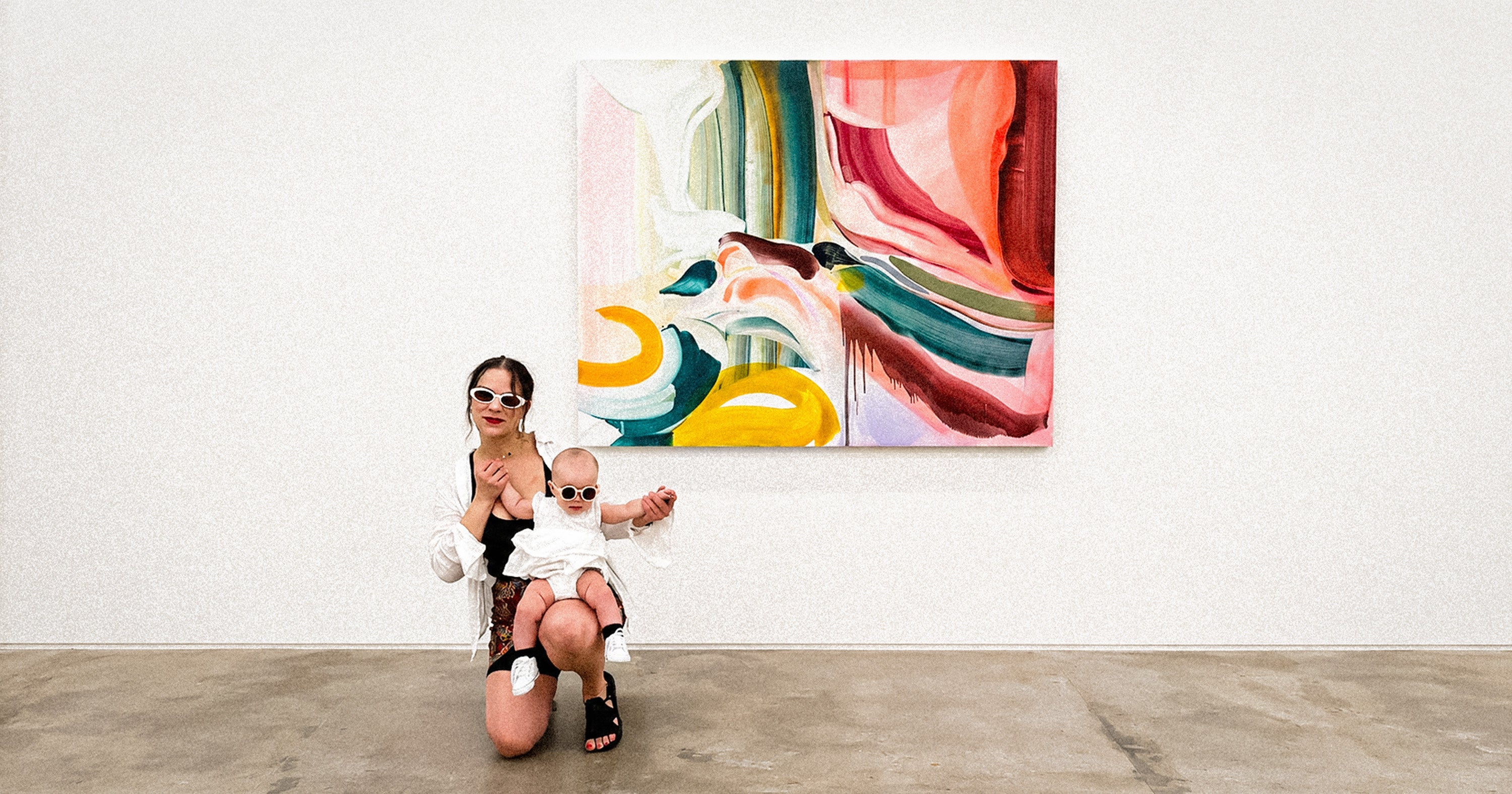
Opening image: Stefania Zanetti / 3daysofdesign.
3daysofdesign.dk — Official Site · Wallpaper* Live Coverage · Dezeen — 13 Unmissable Exhibitions · Wallpaper* — Ten Things to See · Business of Home Recap · Vogue — 7 Highlights · 10 Magazine Recap · ArchiPanic Full Preview · HAY at 3DoD 2026 · Ferm Living Kids SS26 · Tekla Kids Bedding · Tekla Heart of Living · NUVO Magazine — 7 Standouts · gr8collab Substack Edit · Stirworld Feature · Wallpaper* — Japanmade Vol. I