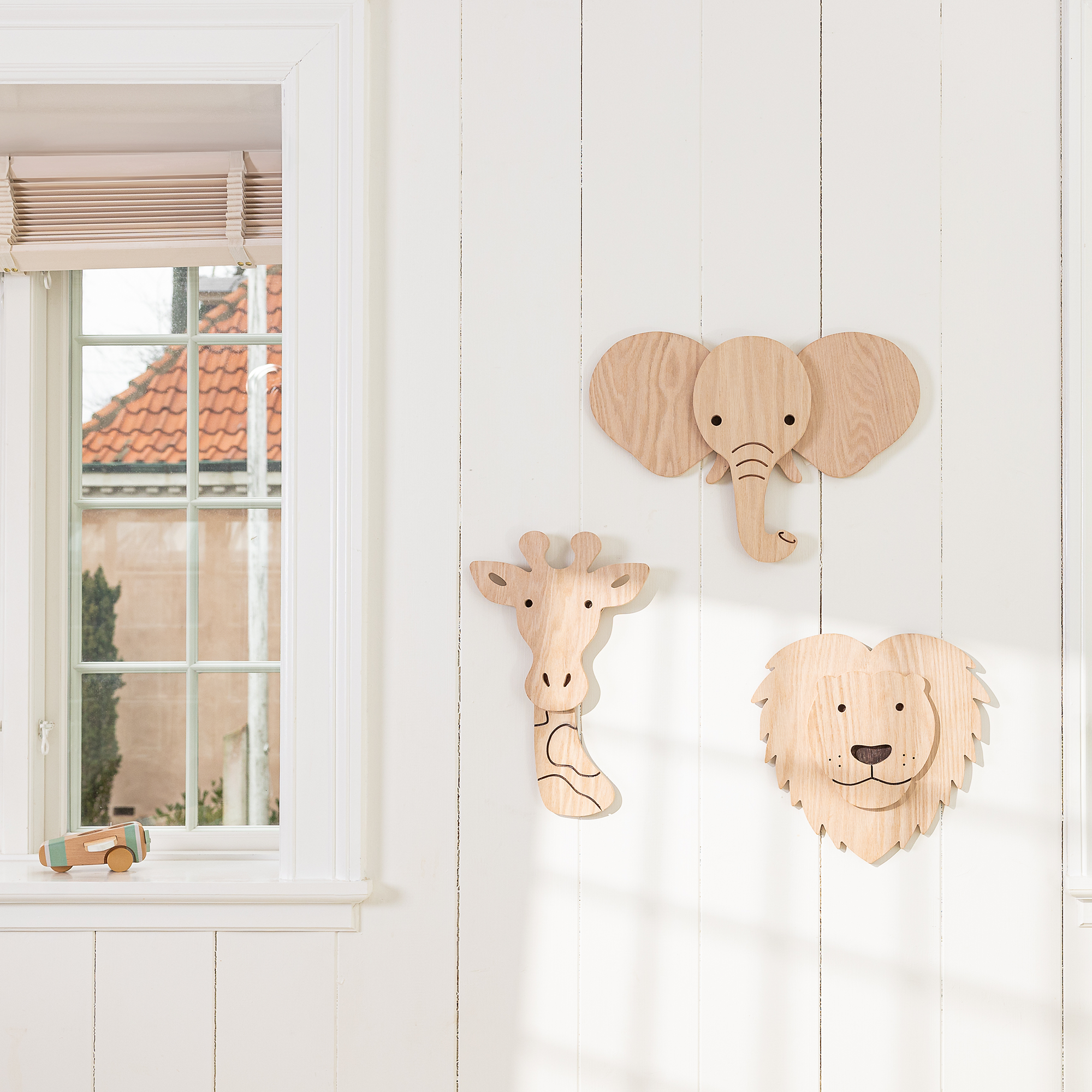
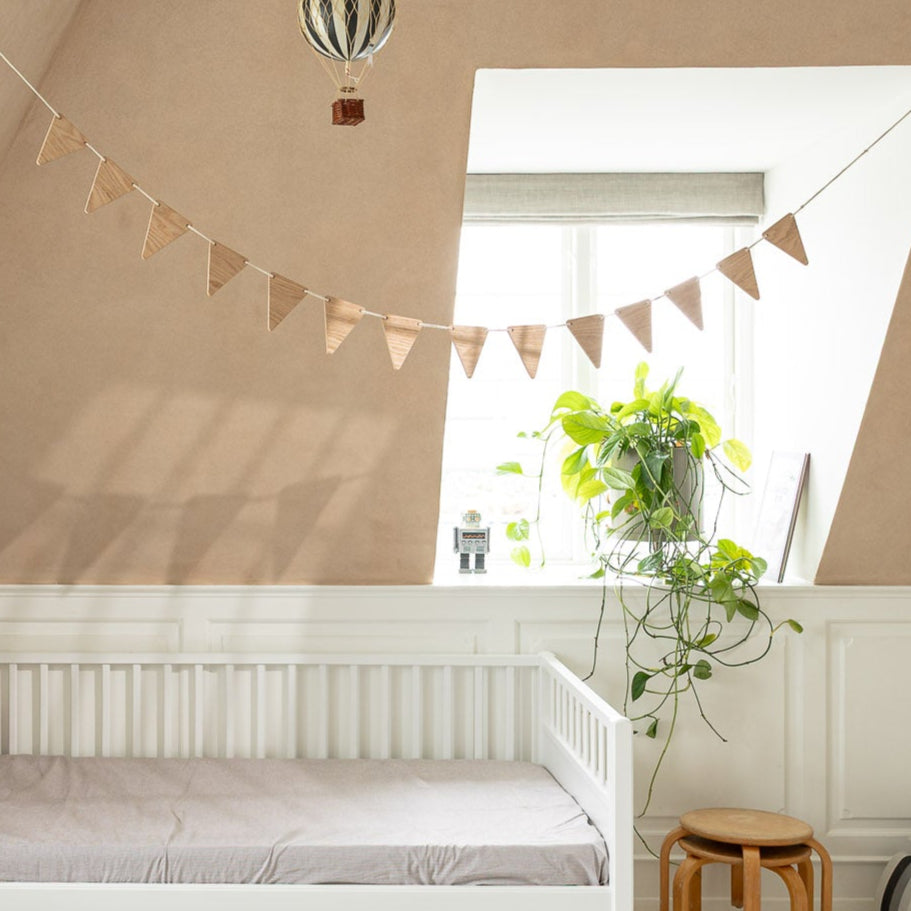


The most successful interiors aren’t fixed in time. They evolve.
When designing for children, longevity isn’t just a practical goal — it’s a design principle. It requires thinking not in months, but in rhythms: how a child’s body moves, how their interests expand, how a family’s needs shift without notice.
Designing with growth in mind means allowing a space to adapt quietly. To expand and contract, to make room for change — without needing to be reinvented entirely.
Furniture That Ages Gracefully
Every item in a child’s room should earn its place — not just for how it looks today, but for how it will function tomorrow.
- A low armchair begins as a nursing seat, becomes a reading perch, and eventually a soft landing for a teen’s stack of books.
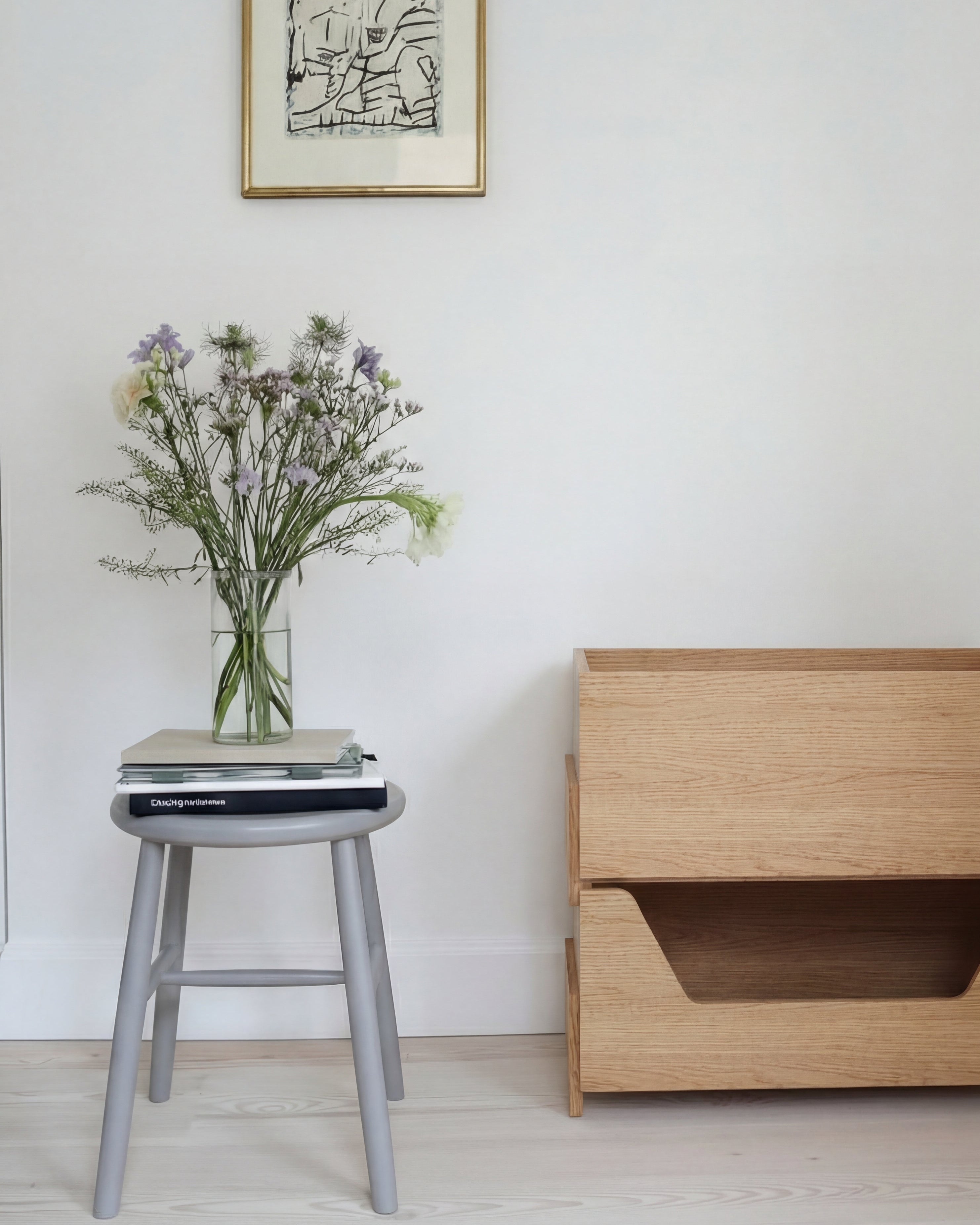
- A console table, with proper proportions, can evolve from changing surface to art shelf.
- A bookshelf may start with cloth books and grow to hold treasures and tools.
This approach doesn’t mean avoiding children’s items. It means choosing pieces with architectural integrity, clean lines, and modular potential — furniture that respects the pace of real life.
Layout That Learns
Children outgrow toys, but more importantly — they outgrow arrangements.
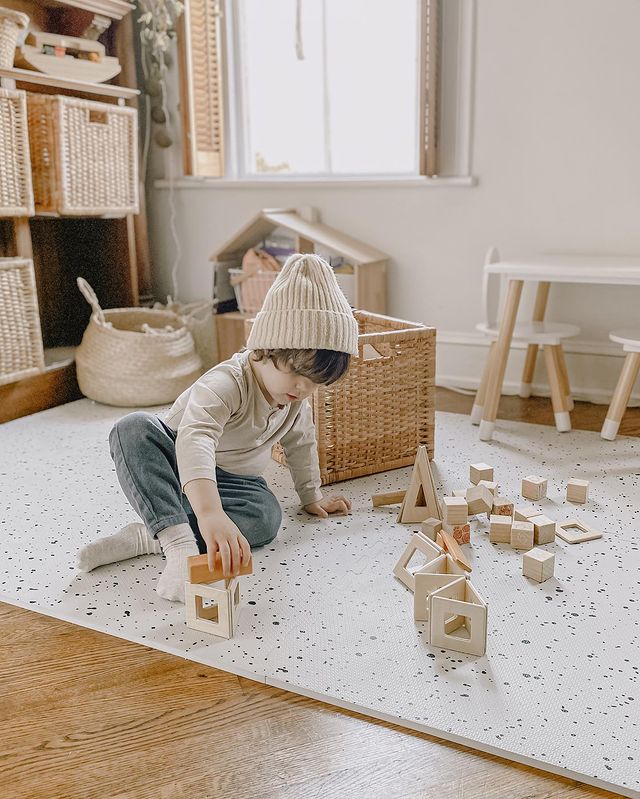
Spaces should invite transformation. What begins as a crib corner might become an art nook. A floor play zone becomes a desk area. The reading corner grows wings and moves to a different window entirely.
Design isn’t static. A good room reflects that.
Designing with Time in Mind
The goal is not permanence. It’s adaptability.
That may mean:
- Leaving intentional negative space to grow into
- Choosing a neutral wall and updating it with evolving art
- Creating storage systems that aren’t toy-specific, but flexible by nature
Let children contribute, too — a shifted rug, a rearranged bookshelf, a chosen print. It fosters ownership and teaches them that space is something you live with, not just inside.
Finishing Touch
Designing for growth is not about restraint. It’s about generosity. About giving a child the permission — and the physical space — to become.
The best rooms are never finished. They simply learn how to change.
Written by the team at Copenhagen Kid — where childhood thrives by design.